Curlew comeback on Dartmoor: five years of progress
- Countryside
- Environment
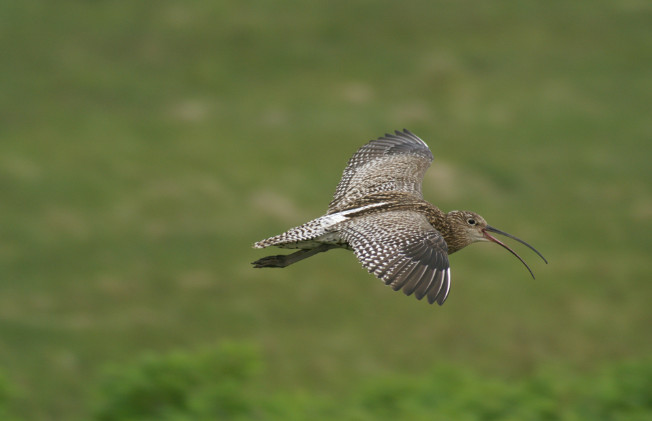
We’re delighted to share an update on the Dartmoor Curlew Recovery Project, delivered by the Wildfowl & Wetlands Trust (WWT). The five year initiative, supported by the Fund, set out to help secure the future of one of the UK’s most threatened breeding birds on Dartmoor - an upland landscape where curlew numbers have declined dramatically.
136 Curlew fledged and released on Dartmoor
Since 2021, the project has successfully released 136 curlew fledglings. Using eggs collected from RAF and USAF bases in East Anglia, WWT teams incubated, reared and released these chicks onto carefully managed Dartmoor farmland, using specialist avicultural expertise and rigorous health and welfare protocols.
The project exceeded its initial target of releasing 125 birds over five years, an achievement made possible through close collaboration with military partners, Natural England, local farmers and the Dartmoor community.
Early signs of population recovery
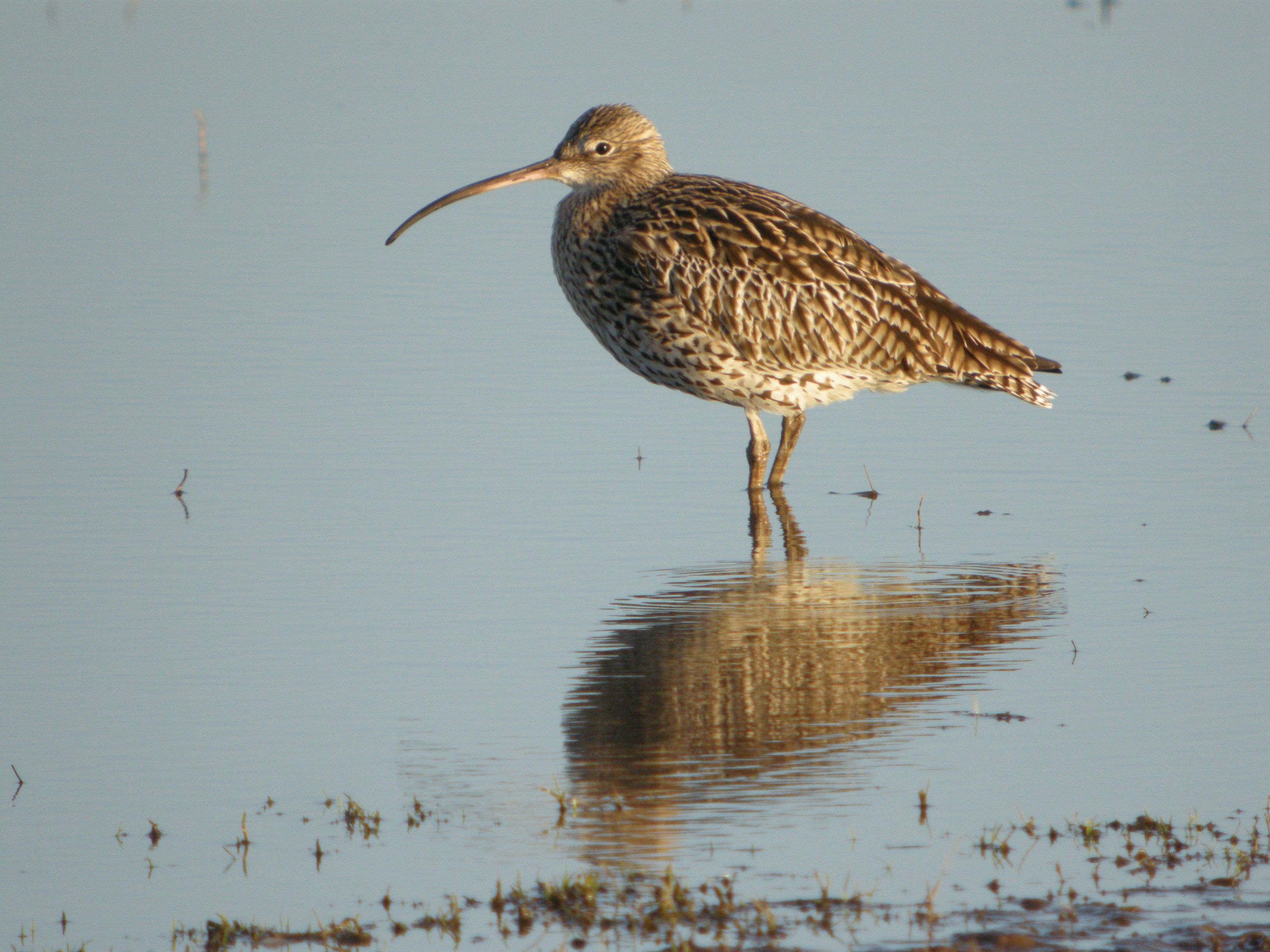
Encouragingly, monitoring during the 2025 breeding season suggests the curlew may now be starting to re‑establish on the moor. Surveys indicate seven to eight breeding territories were held, compared with only two or three in previous years. This represents the most positive activity recorded since 2009.
The project is also demonstrating that headstarting, a conservation technique where wild eggs are collected, hatched in captivity, and the chicks are reared in protected environments until they are ready to fledge and fly, is positively contributing to curlew recovery on Dartmoor.
The project recorded returning headstarted birds across the moor, including individuals tracked by satellite tags, with four migrating as far as Spain and Portugal! Verified sightings from the public have provided further evidence of healthy dispersal and survival.
Community engagement and national collaboration
The project has successfully engaged local schools, farmers and volunteers, using the curlew as a flagship species to build wider understanding of the importance of healthy wetland landscapes. WWT also developed strong and sustained collaboration with RAF and USAF bases, providing training on nest identification and safe behaviour around breeding birds – efforts that proved invaluable in sourcing viable eggs.
National and regional media coverage, including a feature on ITV West Country, has further raised awareness of the curlew’s plight and the need for ongoing conservation action.
It is so encouraging to see the Curlew Recovery Project making such a meaningful contribution to the return of this rare ground‑nesting bird on Dartmoor, and we hope this positive momentum continues in the years ahead.
Images © Wildfowl and Wetlands Trust
More news
Thousands of seagrass shoots have been planted in the Thames, as we kick off work to transform one of the world’s most famous waterways
£4.4 million Strategic Partnership Programme drives lasting change across UK and global communities